NOVATED LEASE INFORMATION
Commercial EV Novated Leasing for Employers
An Australian employer guide to EV novated leasing, payroll and FBT checks, program controls, employee exits and how an employee novated lease differs from a company fleet lease.
By EVITAL · Reviewed
Factual information only. EVITAL does not provide financial or tax advice, arrange credit, or offer lease quotes, applications or referrals.
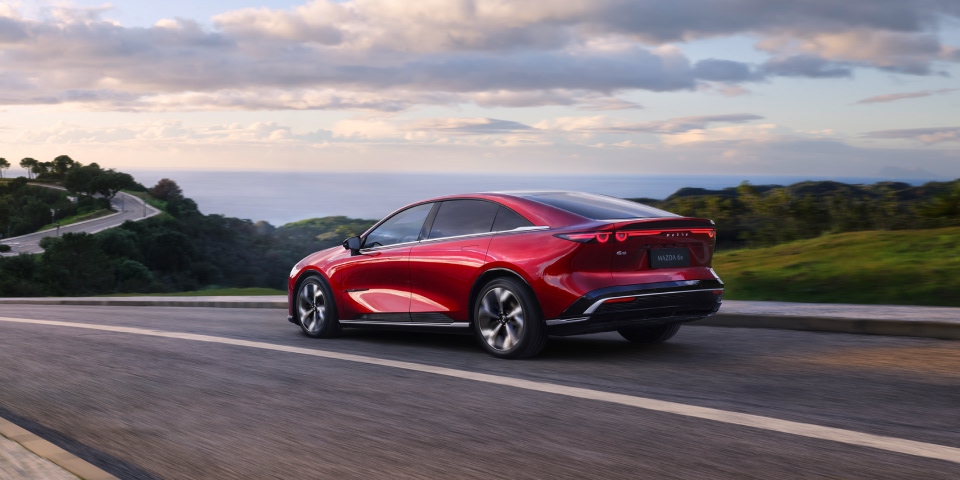
EMPLOYER EV PROGRAMS
Understand the vehicles, payroll steps and employer responsibilities.
Image: Mazda Australia · source
Manufacturer website imagery may show overseas vehicles and optional equipment. Colours, wheels, trim and cabin layout can vary by model year and Australian grade. Confirm the exact vehicle specification with the manufacturer.
Vehicle examples
A clearer view of the EVs employees may consider
These manufacturer images illustrate different battery-electric vehicle styles relevant to an employee program. The exact Australian grade and workplace/provider eligibility must be checked for each vehicle.

Suzuki e-Vitara
Image: Suzuki Australia · manufacturer source
Vehicle specification, equipment and eligibility are not implied by this image.

Škoda Elroq
Image: Škoda Australia · manufacturer source
Vehicle specification, equipment and eligibility are not implied by this image.
At a glance
A novated lease connects an employee’s vehicle lease with an employer agreement and a financier. The employer accepts specified obligations under the novation and administers agreed payroll and reporting tasks. A company fleet lease is a separate business vehicle arrangement. The written contracts and current tax rules determine each party’s role.
What employers mean by commercial novated leasing
Commercial novated leasing usually refers to an employer making a novated lease program available to employees. It is not a separate type of commercial vehicle finance. In a novated arrangement, the employee’s vehicle lease is linked to an agreement with the employer. The employer takes on specified lease obligations while the novation is in force, according to the signed documents.
A provider may arrange employee onboarding, payroll instructions and expense administration. The service agreement should say exactly what the provider does, what the employer approves, and which costs or obligations remain with the employee. The words “no cost” or “low obligation” do not replace a review of payroll, tax, privacy and contract responsibilities.
The employer’s role in payroll and administration
The employer’s work depends on the provider model and the wording of its agreements. Before launch, map the steps from an approved employee request through payroll deductions, remittance, expense claims, changes to pay and end-of-employment handling. A payroll integration does not by itself confirm that a deduction, tax treatment or reconciliation process is correct.
The ATO’s employer guidance covers novated lease and fringe benefits tax responsibilities. A third party may perform agreed administration, but the employer should document who prepares calculations, supplies records, reviews the treatment and completes reporting. The service scope, payroll policy and novation documents need to fit together.
- Confirm eligible employees, approved vehicles and the process for provider approval.
- Map deduction timing, pre-tax and post-tax amounts, remittance, expense budgets and reconciliation.
- Agree who maintains FBT records, checks eligibility and handles reportable fringe benefits where required.
- Set an escalation path for payroll corrections, leave, disputes, insurance events and contract changes.
EV FBT checks for employer teams
The electric car FBT exemption is conditional. The ATO’s guidance describes requirements for the car benefit, vehicle, first-held-and-used dates, private use by a current employee or associate, and luxury car tax. Salary packaging can be within the exemption when the conditions are met. A vehicle’s electric drivetrain, sticker price or provider quote alone does not establish the tax treatment.
The FBT definition of a car is narrower than everyday use of the word. It generally covers a road vehicle designed to carry a load of less than one tonne and fewer than nine passengers. Check the exact vehicle and variant. A commercial ute or van does not automatically qualify for the electric car exemption.
Plug-in hybrid treatment changed from 1 April 2025, with conditions for some existing commitments. An FBT-exempt electric car benefit can still have a reportable fringe benefits amount. The employer’s payroll and reporting review should account for both points.
Novated program or company fleet lease?
The right structure depends on who needs the vehicle, how it will be used and who controls it. A novated lease is linked to an employee and payroll. A company fleet lease is arranged by the business for its vehicle operations and managed under its fleet policy. A car allowance is another arrangement with separate payroll and tax questions.
A practical employer launch checklist
Compare the full operating process before announcing a program. Use the same vehicle, term and cost categories when reviewing a provider illustration. Include administration fees, payroll effort, expense-budget rules, end-of-term handling and the steps for employees who leave.
- Review the novation, finance, provider and payroll documents together.
- Test ordinary pay, unpaid leave, termination, provider changes and payroll corrections.
- Confirm who checks vehicle and FBT eligibility, keeps supporting records and reports any required benefit amount.
- Explain employee choices, costs, contract obligations, privacy and where to raise questions.
- If workplace charging is included, define access, payment, reimbursement, safety and site-capacity responsibilities separately.
- Set a review date and track uptake, payroll exceptions, employee support requests and actual administration costs.
What happens when an employee leaves?
The result depends on the lease, novation, provider and any replacement-employer process. The employee may need to make payments directly, arrange a new novation or follow another option allowed by the agreements. Do not assume the lease automatically ends or transfers when employment ends.
Ask the provider to document the steps, timeframes, fees, payroll cut-off and employee responsibilities for resignation, redundancy, unpaid leave and a move to another employer. The employee should receive the relevant contract terms before agreeing to the arrangement.
Where EVITAL fits
EVITAL publishes factual EV and novated lease information with illustrative cost tools. It does not provide employer program implementation, lease quotes, finance applications, credit arrangements or referrals. Use the calculator to inspect cost components, then confirm employer, provider and tax questions with the parties responsible for the arrangement.
Comparison reference
| Arrangement | Who manages the vehicle and payment | Questions to compare |
|---|---|---|
| Employee novated lease | An employee lease is linked to an employer agreement. Payroll follows the written salary packaging and novation instructions. | Provider scope, payroll controls, FBT records, employee exit and end-of-term terms. |
| Company fleet lease | The business arranges vehicles for its operations and manages them under its fleet policy. | Vehicle control, work use, insurance, maintenance, charging, fleet costs and disposal. |
| Car allowance | The employer pays an allowance through payroll. The employee generally arranges the vehicle and running costs under the employer’s policy. | Allowance treatment, vehicle use policy, expense responsibility and employee choice. |
Common questions
Is commercial novated leasing the same as a company fleet lease?
No. A novated lease links an employee’s vehicle lease to an employer agreement and payroll. A company fleet lease is arranged and managed by the business for its vehicle operations. Compare control, use, costs and contract responsibilities separately.
Does offering novated leasing cost an employer nothing?
There is no general cost answer. A provider may charge fees or offer administration as part of its service. The employer also needs to assess payroll, setup, recordkeeping, employee support and review work.
Does every electric vehicle qualify for the FBT exemption?
No. The ATO conditions include the type of car, its first-held-and-used history, who receives the private-use benefit and luxury car tax requirements. Check the specific vehicle and arrangement.
Can a commercial ute or van use the electric car FBT exemption?
Not automatically. For the exemption, the vehicle must meet the FBT definition of a car and the other eligibility conditions. A ute or van with a load capacity of one tonne or more may fall outside that definition. Other FBT rules may still need review.
Does an FBT-exempt EV benefit still need to be reported?
An exempt car benefit can still affect a reportable fringe benefits amount. The employer should check the ATO reporting rules for the specific benefit.
What happens to the lease if an employee leaves?
The employee’s options and responsibilities depend on the lease and novation documents and on any new employer arrangement. Review those terms before the program starts.
Sources and review
Source review: 9 November 2026. Rules and product terms can change. The linked documents explain their own scope and conditions.
- ATO — Fringe benefits tax: a guide for employers, including novated leases
- ATO — Electric vehicles and fringe benefits tax: employer fact sheet
- ATO — Car leasing and fringe benefits tax
- ATO — Practical Compliance Guideline PCG 2024/2, including novated lease charging examples